

Where is origin of oil palm?
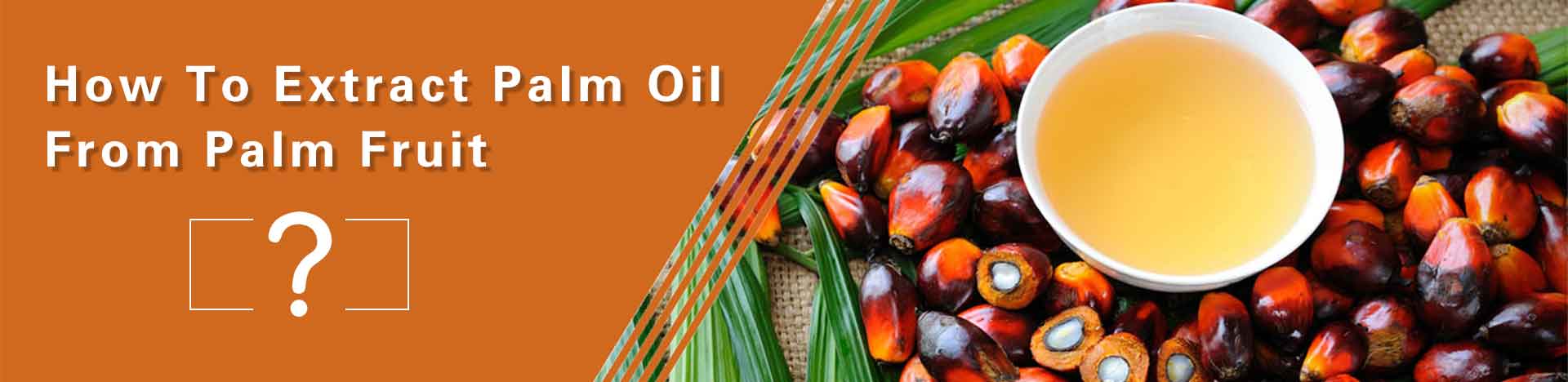
It is generally agreed that the Oil Palm (Elaeis guineensis) originated in the tropical rain forest region of West Africa. The main belt runs through the southern latitudes of Cameroon, Côte d’Ivoire, Ghana, Liberia, Nigeria, Sierra Leone, Togo and into the equatorial region of Angola and the Congo. Processing oil palm fruits for edible oil has been practiced in Africa for thousands of years, and the oil produced, highly coloured and flavoured, is an essential ingredient in much of the traditional West African cuisine. The traditional process is simple, but tedious and inefficient.
During the 14th to 17th centuries some palm fruits were taken to the Americas and from there to the Far East. The plant appears to have thrived better in the Far East, thus providing the largest commercial production of an economic crop far removed from its centre of origin.
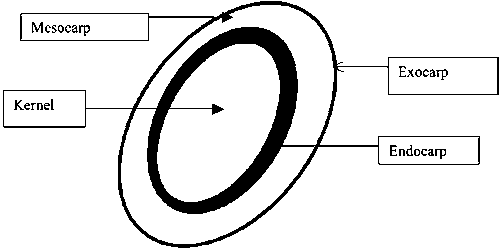
(Fig.1)Structure of the palm fruit
Palm oil is rich in carotenoids, (pigments found in plants and animals) from which it derives its deep red colour, and the major component of its glycerides is the saturated fatty acid palmitic; hence it is a viscous semi-solid, even at tropical ambients, and a solid fat in temperate climates.
Because of its economic importance as an high-yielding source of edible and technical oils, the oil palm is now grown as a plantation crop in most countries with high rainfall (minimum 1 600 mm/yr) in tropical climates within 10° of the equator. The palm bears its fruit in bunches (Fig.1) varying in weight from 10 to 40 kg. The individual fruit, (Fig. 2) ranging from 6 to 20 gm, are made up of an outer skin (the exocarp), a pulp (mesocarp) containing the palm oil in a fibrous matrix; a central nut consisting of a shell (endocarp); and the kernel, which itself contains an oil, quite different to palm oil, resembling coconut oil.
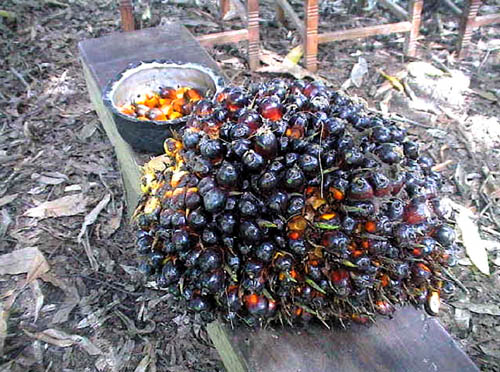
Fig. 2 Fresh fruit (on the left is a cut fruit)
During the 14th to 17th centuries some palm fruits were taken to the Americas and from there to the Far East. The plant appears to have thrived better in the Far East, thus providing the largest commercial production of an economic crop far removed from its centre of origin.
(Fig.1)Structure of the palm fruit
Because of its economic importance as an high-yielding source of edible and technical oils, the oil palm is now grown as a plantation crop in most countries with high rainfall (minimum 1 600 mm/yr) in tropical climates within 10° of the equator. The palm bears its fruit in bunches (Fig.1) varying in weight from 10 to 40 kg. The individual fruit, (Fig. 2) ranging from 6 to 20 gm, are made up of an outer skin (the exocarp), a pulp (mesocarp) containing the palm oil in a fibrous matrix; a central nut consisting of a shell (endocarp); and the kernel, which itself contains an oil, quite different to palm oil, resembling coconut oil.
Fig. 2 Fresh fruit (on the left is a cut fruit)


Leave A Message
If you want to know more information about palm oil extraction machine, please kindly leave your phone number. We will get back to you ASAP once we receive your message.