
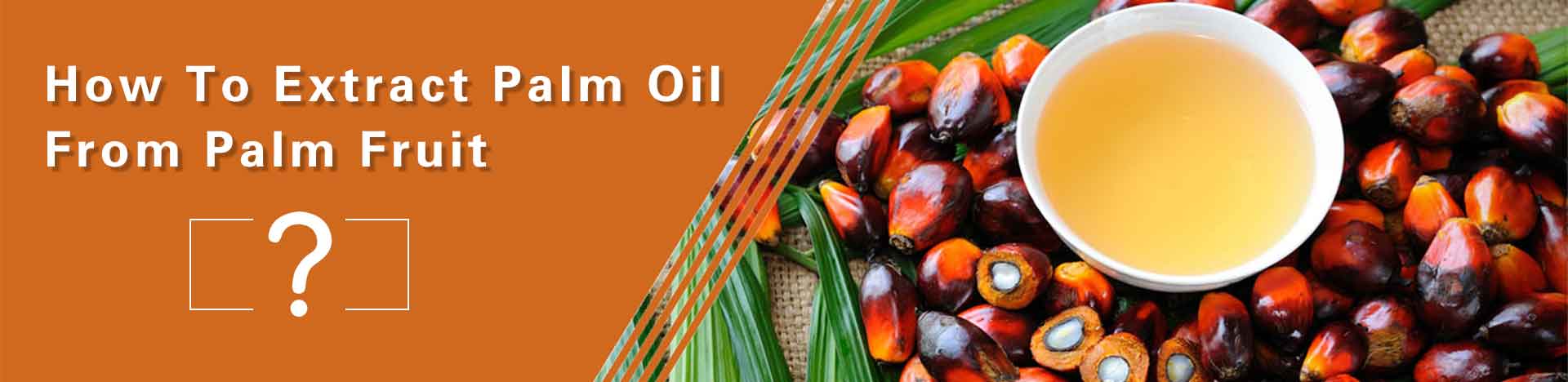

Key Factors to Consider When Setting Up a Palm Oil Processing Plant
Setting up a palm oil processing plant requires more than simply purchasing palm oil processing equipment. To build an efficient and profitable palm oil mill, investors must carefully evaluate factors such as raw material supply, production capacity, processing technology, factory layout, operating costs, and technical support.
Based on years of experience in palm oil processing projects, Glory Oiltech has helped customers in Africa, Southeast Asia, and other palm-producing regions develop customized palm oil processing solutions according to their actual production requirements. Below are several important factors to consider before starting a palm oil processing project.
Stable Supply of Fresh Palm Fruit Bunches (FFB)
A stable raw material supply is one of the most important foundations of a successful palm oil processing plant.
Fresh Fruit Bunches (FFB) are highly perishable and should ideally be sterilized within 48 hours after harvesting. Sterilization uses high-temperature steam to deactivate lipase activity, helping reduce free fatty acid (FFA) formation and maintain crude palm oil quality.
For this reason, palm oil mills are usually built close to palm plantations or fruit collection centers. Short transportation distances help reduce fruit deterioration, transportation costs, and supply delays.
Before building a palm oil mill plant, investors should evaluate:
(1) Annual supply volume of palm fruits
(2) Harvest seasons and raw material supply stability
(3) Transportation conditions from plantations to the factory
(4) Future expansion possibilities of raw material sources
Without a consistent supply of fresh palm fruits, even advanced palm oil processing equipment cannot maintain stable and efficient production.
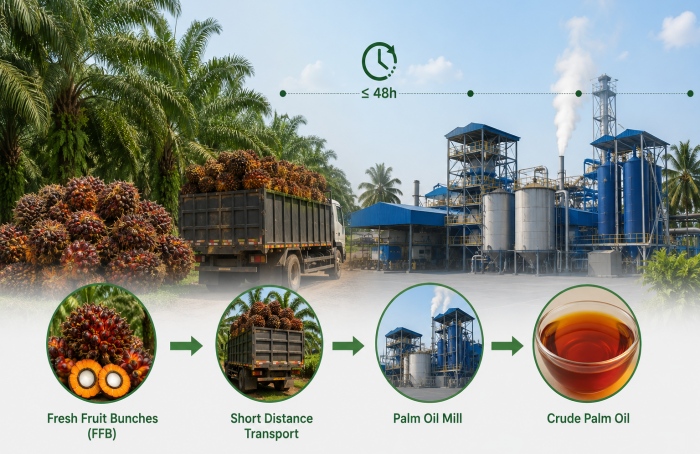 Palm fruit sterilization
Choosing the Right Palm Oil Processing Capacity
Before investing in a palm oil processing plant, investors should first determine their expected daily processing capacity. Different production goals require different equipment configurations and investment plans.
Some investors may only need to purchase a small-scale palm oil pressing machine to meet the demand for local edible oil production, while other investors may plan to build a complete commercial palm oil mill to supply distributors or enter the export market. This requires the equipment to have the capabilities of continuous production, high automation level, and large processing capacity.
Choosing the right production scale depends on several practical factors, including:
(1) Raw material supply volume
(2) Investment budget
(3) Labor availability
(4) Local market demand
(5) Future business expansion plans
Selecting appropriate processing technology is equally important. Small palm oil processing lines may use simpler equipment configurations with basic threshing machines, palm oil presses and oil filters to reduce investment costs and save factory space.
In contrast, large-scale palm oil mills usually adopt integrated processing systems that combine sterilization, threshing, digestion, pressing, oil clarification, vacuum drying, kernel recovery, and oil storage. These systems help improve automation level, oil quality consistency, and overall production efficiency.
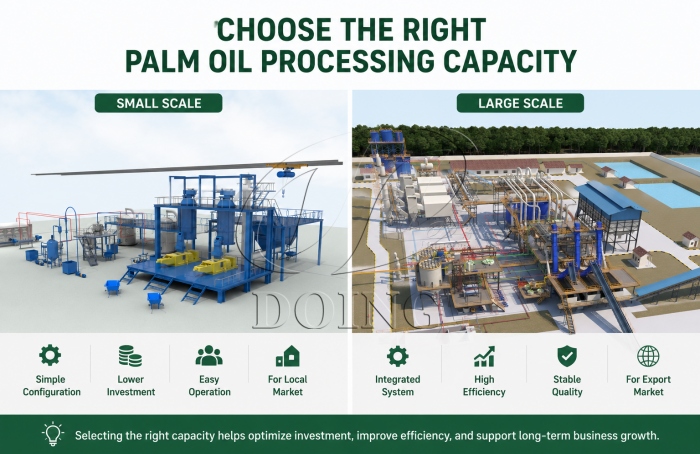 Palm oil processing plants of different scales
Palm Oil Mill Plant Layout and Workflow Design
Many investors pay close attention to palm oil processing equipment selection but overlook another important factor — overall factory layout and workflow design.
A poorly designed production layout may lead to unnecessary material handling, production bottlenecks, higher labor costs, and lower operating efficiency. In some cases, improper workflow planning can also affect oil quality and operational safety.
When planning a palm oil processing plant, investors should consider:
(1) Efficient movement of FFBs, crude palm oil, fiber, shells, and empty fruit bunches
(2) Steam pipeline and boiler system arrangement
(3) Wastewater drainage and waste handling systems
(4) Equipment operation and maintenance space
A well-designed palm oil mill layout can help improve production efficiency while reducing operating and maintenance difficulties.
According to different land conditions and production capacities, Glory Oiltech can provide workshop layout drawings, equipment foundation drawings, and electrical control diagrams for project planning and installation.
Energy Consumption and Operating Costs
Many investors focus mainly on the initial equipment investment while overlooking long-term operating costs.
In reality, energy consumption is one of the major operating expenses in a palm oil processing plant. Boilers, sterilizers, pressers, and clarification systems all require electricity and steam energy during operation.
Before building a palm oil mill plant, investors should evaluate:
(1) Electricity availability and stability
(2) Boiler fuel options
(3) Water supply conditions
(4) Labor costs
(5) Equipment maintenance requirements
Many modern palm oil mills use biomass boilers that utilize palm fiber and empty fruit bunches as boiler fuel. This helps reduce energy costs while improving waste utilization and overall resource efficiency.
Designing an energy-efficient palm oil processing plant can effectively reduce long-term operating costs and improve overall project profitability.
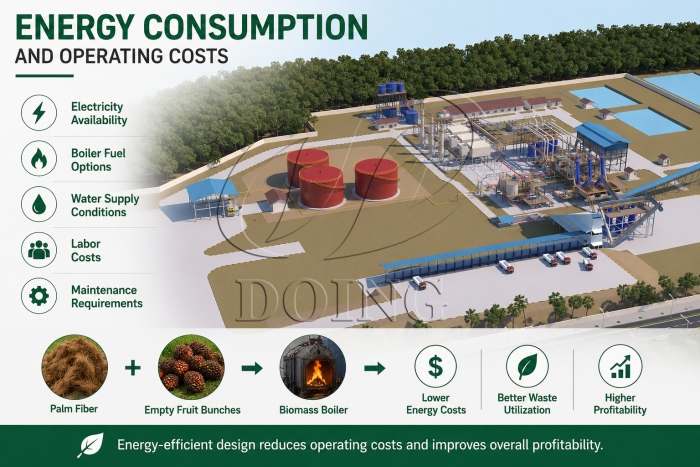 Palm oil processing plant
Technical Support and After-Sales Service
For many first-time investors, equipment installation, commissioning, and daily operation management can be challenging without sufficient technical support.
Reliable technical support and spare parts availability are important for maintaining stable plant operation over the long term. Delayed maintenance or equipment downtime may directly affect production efficiency and operating profits.
Before choosing a palm oil processing equipment supplier, investors should confirm:
(1) Whether installation guidance is available
(2) Availability of operator training services
(3) Spare parts supply capability
(4) Technical support response efficiency
(5) Overseas project experience
A supplier with practical project experience can help reduce installation risks and improve production startup efficiency.
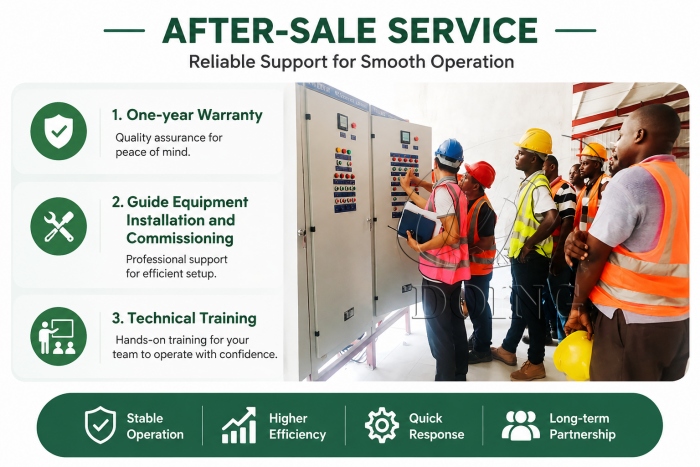 Glory Oiltech's after-sales service
At Glory Oiltech, we provide support services for palm oil processing projects, including equipment manufacturing, plant layout design, installation guidance, operator training, and after-sales technical support according to different customer requirements.
Please contact us should you have any inquiries. We are happy to provide you with customized palm oil processing solutions.
 PREV:What Is the Main Role of a Steam Boiler in a Palm Oil Mill?
 NEXT:How Much Does It Cost to Build a 10TPD Palm Oil Refinery Plant?
Leave A Message
If you want to know more information about palm oil extraction machine, please kindly leave your phone number. We will get back to you ASAP once we receive your message.