
5 Biggest Operating Risks for Small Palm Oil Mills in Nigeria and How to Reduce Them
Small palm oil mills in Nigeria face five core operating risks: power supply instability, skilled operator shortages, spare parts supply delays, equipment failures from inadequate maintenance, and raw material supply disruptions. These risks are interconnected — a power outage affects sterilization, which lowers oil extraction rate, which reduces revenue needed to fund maintenance and spare parts inventory. The most effective approach is not to address each risk in isolation, but to plan for all five as an integrated system before commissioning.
If you are planning or operating a small palm oil mill in Nigeria, the challenge isn’t just getting the mill built — it’s keeping it running consistently day after day. The five areas below are where most operators encounter problems, and where early planning makes the biggest difference.
Risk 1: Power Supply Instability
Power supply reliability varies across regions in Nigeria. In areas where grid supply is inconsistent, a mill without adequate backup generation will face production interruptions that affect every downstream process.
When power is cut during sterilization, the fruit does not reach the required temperature and duration, which affects pulp softening and downstream pressing efficiency. If the press stops mid-operation, fruit material can accumulate inside the machine and deteriorate, increasing cleaning work and the risk of mechanical damage. The clarification system is equally sensitive — an interrupted separation process affects both oil quality and processing efficiency.
What to plan ahead:
A diesel generator set is a commonly considered backup solution for small mills. The key is sizing it correctly for your actual load — for a typical 10 tons/hour palm oil mill, generator configurations commonly range between 250 kVA and 400 kVA depending on total motor load and startup surges. A generator that is too large runs inefficiently at low load, while one that is too small operates continuously at full capacity and wears out faster. If your mill processes fresh fruit bunches on-site, the empty fruit bunches (EFB) and fiber produced as by-products can be used as boiler fuel to generate steam — mills equipped with a suitable biomass boiler and fuel-handling system can typically reduce diesel fuel consumption for steam generation by over 50% compared to a full diesel heating system, significantly cutting operating costs. Pure pressing mills that do not handle fruit bunches do not have access to these materials.
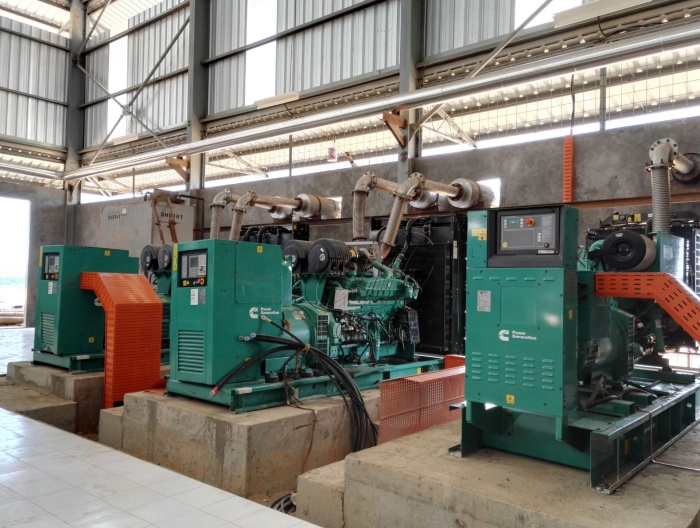 The diesel generator set
It is also worth securing a dedicated UPS or battery backup for the PLC control cabinet and instruments, so that the control system can shut down safely during an outage. This is separate from the generator that drives production machinery.
Risk 2: Finding and Keeping Skilled Operators
Recruiting operators with oil processing experience can be difficult for newly commissioned mills, and new staff need time to become familiar with the equipment. During this learning period, non-standard operation can lead to fluctuating oil extraction rates, avoidable equipment wear, and slower response to minor faults.
What to plan ahead:
Choosing equipment with intuitive control panels and preset operating parameters makes a real difference — new operators can perform correctly after a shorter training period. A structured on-site training program, typically lasting one to two weeks during equipment commissioning, allows operators to master basic control panel operations and standard safety checks before the mill enters full production. During equipment installation, the supplier should provide operation manuals and training materials suited to local operators. Glory Oiltech can provide operation manuals and commissioning training for local operators.
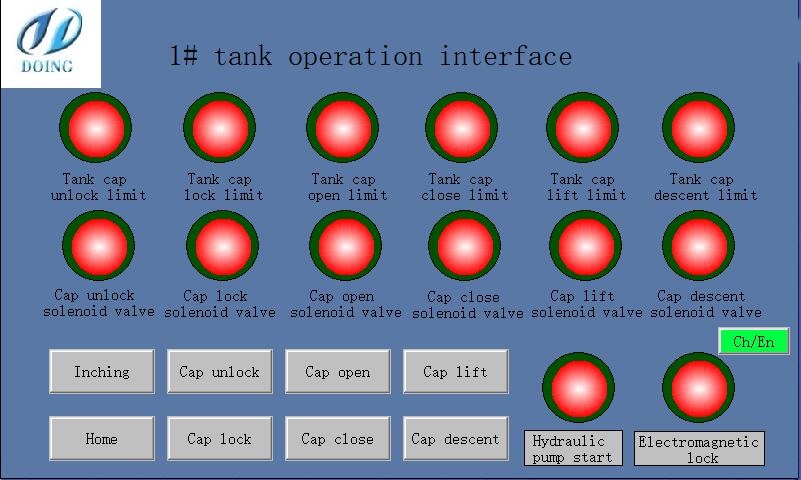 Control panel for palm oil processing equipment
Even with increased automation, core positions such as maintenance technicians and quality control personnel should be retained. Building an internal system where experienced operators train new hires helps reduce dependence on any single skilled worker, and cooperation with local technical schools can create a steady pipeline of trainable candidates.
Risk 3: Spare Parts Availability
When equipment breaks down, the time it takes to obtain replacement parts depends largely on your supply chain — customs clearance, international shipping, and local availability all introduce uncertainty. Direct shipments from China to Nigeria typically take three to four weeks including customs clearance, and parts that are unavailable when needed can extend downtime significantly.
What to plan ahead:
Before production begins, prepare an initial spare parts list covering consumables with short service lives — belts, bearings, filter cloths, seals, and similar items. Record the actual service life of each part as you operate, and use that data to place replenishment orders before failure occurs, rather than after.
Having multiple sourcing channels matters as well. Suppliers with local presence in Nigeria can deliver commonly used consumables faster. Glory Oiltech maintains a spare parts warehouse in Ogun State covering core high-wear components such as roller bearings, V-belts, mechanical seals, and filter cloths, and provides local and online technical support for equipment supplied to Nigerian projects. This can help with parts availability and remote fault diagnosis, reducing unnecessary waiting time.
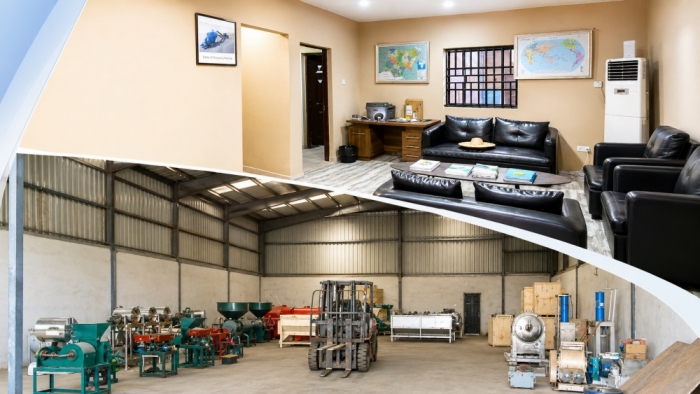 Glory Oiltech's branch and warehouse in Ogun State
Risk 4: Equipment Failures and Maintenance
Equipment does not fail at random — most failures are the result of accumulated wear, insufficient lubrication, or minor issues that were not addressed in time. Small mills that operate on a “repair only when broken” model tend to experience more unplanned downtime — sometimes lasting weeks while waiting for parts — whereas mills implementing a basic preventive maintenance checklist often limit scheduled servicing to just one or two days per month, significantly reducing cumulative maintenance costs.
What to plan ahead:
A simple preventive maintenance checklist posted next to each piece of equipment — covering lubrication, belt tension, electrical connections, and alignment — gives operators a clear routine to follow. During installation, ask the supplier to include maintenance training covering disassembly, assembly, and common fault troubleshooting, so that local staff can handle routine issues without waiting for external assistance.
When selecting equipment, pay attention to whether consumable parts are designed for easy replacement. Modular or accessible designs reduce both the time and skill required for replacement. Establishing a direct communication channel with your supplier — such as WhatsApp — allows for real-time video guidance when a difficult fault arises, reducing the time spent waiting for on-site technical assistance.
Risk 5: Raw Material Supply and Transportation
Fresh fruit bunch (FFB) supply fluctuates with seasonal variations, and road conditions in some areas deteriorate during the rainy season. Fresh palm fruit quality declines rapidly after harvesting — FFB should ideally enter processing within 24 to 48 hours of harvesting, beyond which the free fatty acid (FFA) content rises sharply and downgrades oil quality. During the rainy season, poor rural road conditions can typically reduce raw material intake volume by 20% or more, forcing mills to cut production temporarily.
What to plan ahead:
Signing supply agreements with multiple farmers or orchards — rather than relying on a single source — reduces the impact of any one supplier’s shortfall. Coordinating harvesting and collection schedules with multiple suppliers can also help smooth short-term supply fluctuations. Design your receiving area for rapid throughput rather than long-term holding, and adjust production schedules dynamically based on actual fruit arrival conditions.
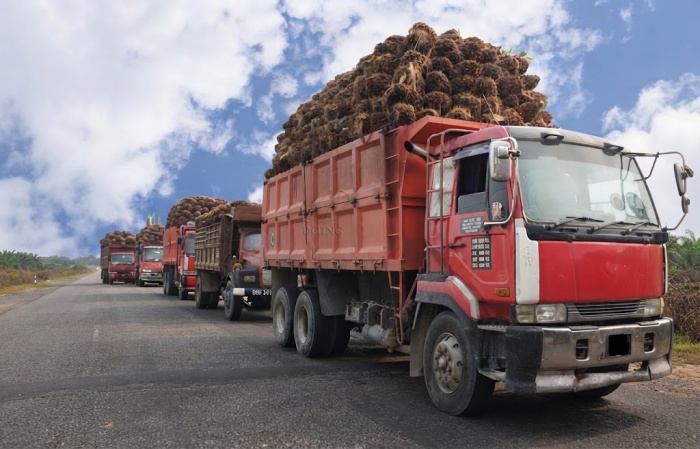 On-site transport of oil palm fruit bunches
For the rainy season, plan alternative transportation routes in advance and establish cooperative relationships with local transportation teams before road conditions worsen. Arranging maintenance or reduced production during periods of low raw material availability is also more efficient than running the mill at a loss.
Other Risk Factors to Watch
Beyond these five operating risks, project owners should also allow for changes in import procedures, exchange-rate fluctuations, and other local cost changes when preparing the project budget.
Conclusion
Operating reliability is best planned before commissioning, not addressed after problems appear. Backup power, trained operators, spare parts strategy, preventive maintenance, and reliable FFB logistics should all be considered together when designing your project — treating them as an integrated system rather than isolated checklist items will save time, money, and unnecessary downtime in the long run.
Planning a Palm Oil Mill Project in Nigeria?
If you are evaluating or developing a palm oil mill project, share your processing capacity, FFB supply situation, power conditions, and location, and we can discuss how our experience in the Nigerian market — including recently commissioned projects such as a 2 tons/hour small palm oil mill in Nigeria — applies to your specific conditions. Whether you need individual machines or a complete production line, Glory Oiltech can help you plan with these operational realities in mind.
Frequently Asked Questions About Small Palm Oil Mills
How much operating capital should I prepare beyond the equipment purchase?
Underestimating ongoing operating costs is one of the most common reasons new mills struggle in their first year. Beyond the initial equipment and workshop investment, you should plan to cover recurring expenses such as generator fuel, raw material purchases, operator salaries, routine maintenance, spare parts, transportation, and utilities. In Glory Oiltech's project planning experience, an initial operating capital equivalent to 3–6 months of running expenses (covering diesel, FFB purchases, staff salaries, and minor repairs) beyond the initial equipment cost is a practical buffer against early-stage cash flow gaps. Unexpected downtime in the early months can quickly strain finances if no buffer has been set aside. It is advisable to discuss your specific operating cost assumptions with your equipment supplier during the planning phase, so that your total project budget reflects real-world conditions rather than best-case scenarios.
How should I plan the initial spare parts inventory for a small palm oil mill?
There is no universal percentage that applies to every small palm oil mill. The initial spare parts budget should be based on your equipment configuration, expected wear rate, supplier lead times, and the availability of replacement parts in Nigeria. As a practical starting point, an initial spare parts budget of 2–4% of total equipment cost is a commonly used planning assumption, covering essential first-year consumables. This percentage can be adjusted based on your supplier’s local spare parts availability — if the supplier maintains a warehouse in Nigeria, you may reduce initial inventory and rely on faster replenishment. Compile a list of consumables with the shortest service lives — belts, bearings, seals, filter cloths, and press cage components — and prioritize items that have long procurement cycles or are not readily available locally. Track actual consumption during the first several months of operation and adjust your replenishment strategy accordingly. Spare parts should be treated as essential operating capital, not an optional cost item.
Can I operate a small palm oil mill without a dedicated maintenance technician?
It is technically possible for very small mills with simple equipment, but the risk increases significantly as production scale, operating hours, automation level, and equipment complexity grow. Without a dedicated technician, minor issues such as belt wear, bearing noise, or loose electrical connections are often overlooked until they develop into major breakdowns. If you choose to operate without a dedicated maintenance person, ensure that the equipment supplier provides comprehensive maintenance training for at least one operator and that a reliable remote support channel is in place for troubleshooting. As your mill scales up, investing in dedicated maintenance capability becomes increasingly important for sustaining uptime and controlling costs.
What documents should I request from the equipment supplier before making a purchase decision?
Request the following documents: a detailed equipment specification sheet with motor power ratings and material specifications, a recommended spare parts list with expected service life for each item, an operation and maintenance manual, and a commissioning and training plan outlining the duration and content of on-site training. Also request a copy of the warranty terms in writing, including what is covered, what is excluded, and the response time for technical support. If key commercial and technical documents cannot be provided or clearly committed to in writing before signing, clarify the reason and delivery timing before proceeding.
How do I verify whether a palm oil mill equipment supplier has real experience in the Nigerian market?
Start by asking the supplier to provide detailed project case studies with photos or videos of installed equipment at operational mills in Nigeria — rather than relying solely on factory renderings or generic brochures. Request documentation that demonstrates their after-sales support capability, such as service records, spare parts delivery timelines, and warranty fulfillment examples. Verify whether the supplier maintains a local presence in Nigeria, such as a spare parts warehouse, local service partners, or Nigerian-based staff, as these are strong indicators of genuine market commitment. You can also review their trade platform history, export records, and industry certifications to cross-reference their claimed experience. Be cautious of suppliers who make broad claims about serving the Nigerian market but cannot provide specific, verifiable project documentation or local support infrastructure.


-
 How to start a palm oil milling and processing plant?
-
How to start a palm oil processing business in nigeria?
-
How to produce refined vegetable oil from palm kernel oil?
-
What are the steps in palm oil production?
-
5 Biggest Operating Risks for Small Palm Oil Mills in Nigeria and How to Reduce Them
-
How Much Power, Space and Time Does a 1 TPD Small Palm Oil Refinery Really Need?
-
Palm Kernel Shell Separation Is Poor: 7 Causes and How to Fix It
-
Batch vs. Continuous Palm Oil Refinery for a 20 TPD Plant in Cameroon: What’s the Difference?